futurio domain was triggered too early. This is usually an indicator for some code in the plugin or theme running too early. Translations should be loaded at the init action or later. Please see Debugging in WordPress for more information. (This message was added in version 6.7.0.) in /var/www/vhosts/dev.christiegrey.com/httpdocs/wp-includes/functions.php on line 6131Floating floor systems are important for controlling structure-borne noise and vibration in contemporary construction. Christie & Grey Floating Floors are used in high acoustic performance environments including radio and TV studios, cinemas, auditoria, dance studios, and multi-purpose developments. They work equally well in houses, offices, and residential developments, where controlling sound transmission between floors or adjoining demises is essential for occupant comfort and code compliance.
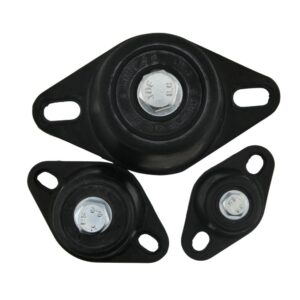
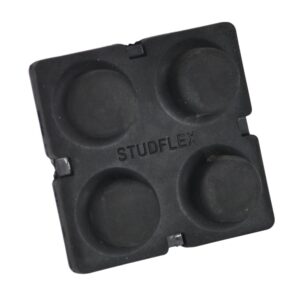
Systems such as the SRS Stud Rail System use resilient isolation components to separate the finished floor from the structural slab, significantly reducing vibration transmission while maintaining structural integrity. With defined load capacities, deflection characteristics, and acoustic behaviour, these solutions can be confidently specified and integrated with complementary wall and ceiling isolation products as part of a coordinated building-wide acoustic strategy.
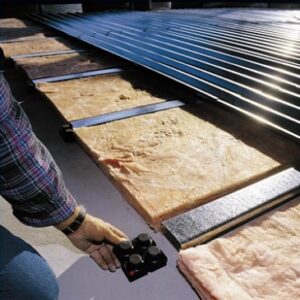
Explore our broader collection of construction-based acoustic and vibration isolation solutions for floors, walls, ceilings, and structural components in noise-sensitive environments. At Christie & Grey, categories are developed with predictable performance, dependable load carrying, and long-term durability in mind, supporting confident specification across residential, commercial, studio, and mixed-use developments.
Yes. All products are engineered with defined load capacities and performance characteristics.
No. While commonly used in studios and cinemas, floating floors are also widely specified in residential, commercial, retail, and mixed-use developments.
Yes. They work effectively with acoustic wall and ceiling isolation systems.
Yes. They isolate the finished floor from the structural slab, reducing impact noise, vibration, and structure-borne sound.
Key factors include load, vibration frequency, floor build-up, and installation quality.